The LGBTQ caucus of WGS South provides opportunities for LGBTQ people and their allies to share research, theory, information, resources, and experiences. The caucus works to encourage recognition of the diversity of LGBTQ people, increase visibility, and encourage coalition building, especially through scholarship, and regularly sponsors a session at the annual conference.
WGS South 2027 - LGBTQ Caucus
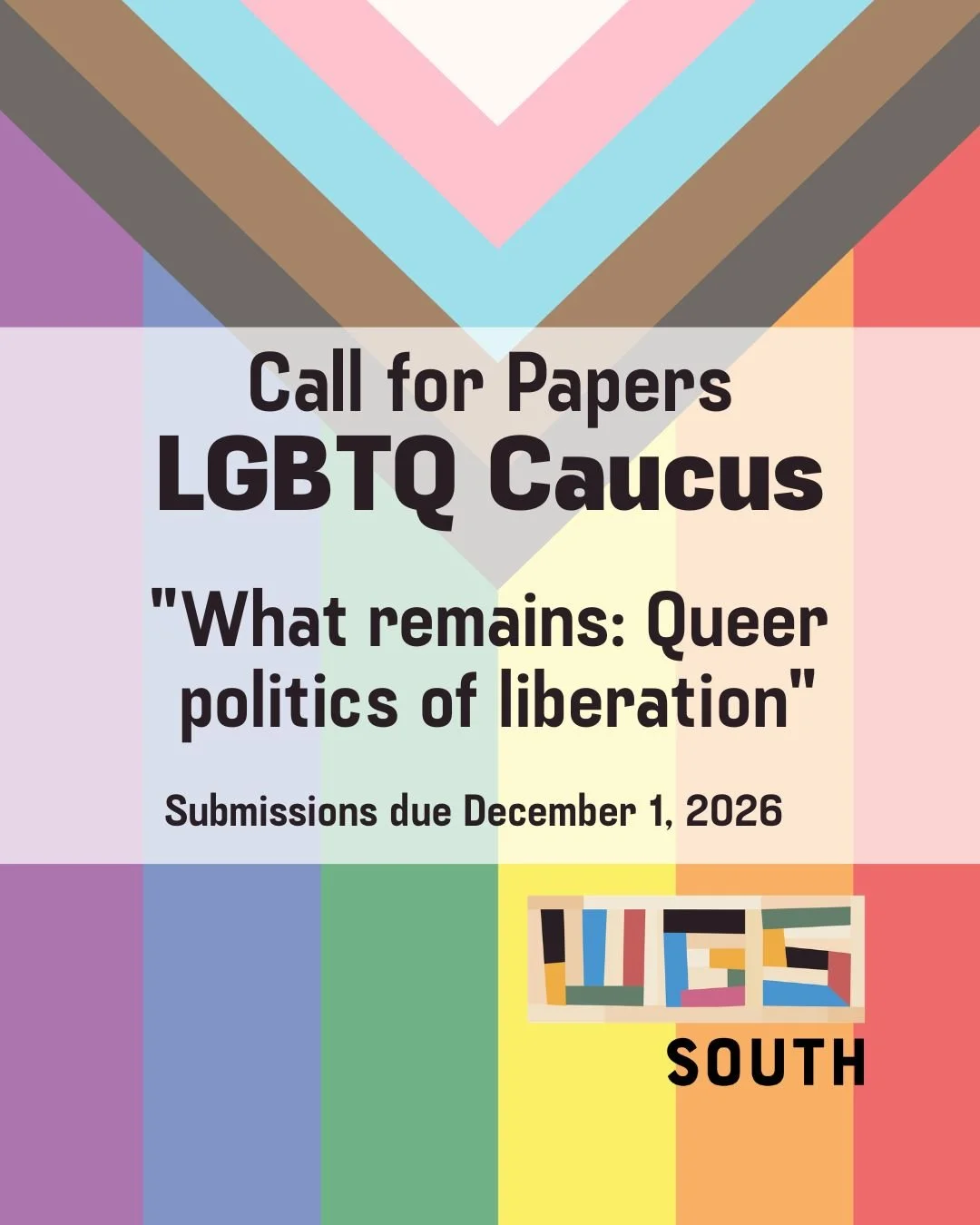
Call for Proposals
Deadline: December 1, 2026
“What remains: Queer politics of liberation”
In their text Atmospheres of Violence: Structuring Antagonism and the Trans/Queer Ungovernable, Eric Stanley calls on us to confront the realities of US democracy, that “it is democracy in action, and not its attrition, that betrays the radical potential we so easily believe it to possess.” They go on to ask, “if the state, even as an experiment in democracy, is unable to offer us relief, then what forms of being together in difference might grow the world we want and need?”(Stanley 2021, 11)
With the rescinding and cancellation of federal research grants, the closure of WGS departments across the nation, and ongoing legislative attacks on people of color, immigrants, queer and trans people, the fantasy of academic freedoms is revealed, and we must grapple with the realities of living and working underground. This work is not new to trans and queer lives, histories, and politics, particularly when considered through the intersections of settler colonialism and racial capitalism. LGBTQ lives and politics that challenge the logics that reproduce our oppressions have always needed to imagine and engage alternative strategies. Indeed, this political moment demands that we attend to this call for radicality and fugitivity, to imagine forms of knowledge production and community formation that understands and combats how lives are being threatened.
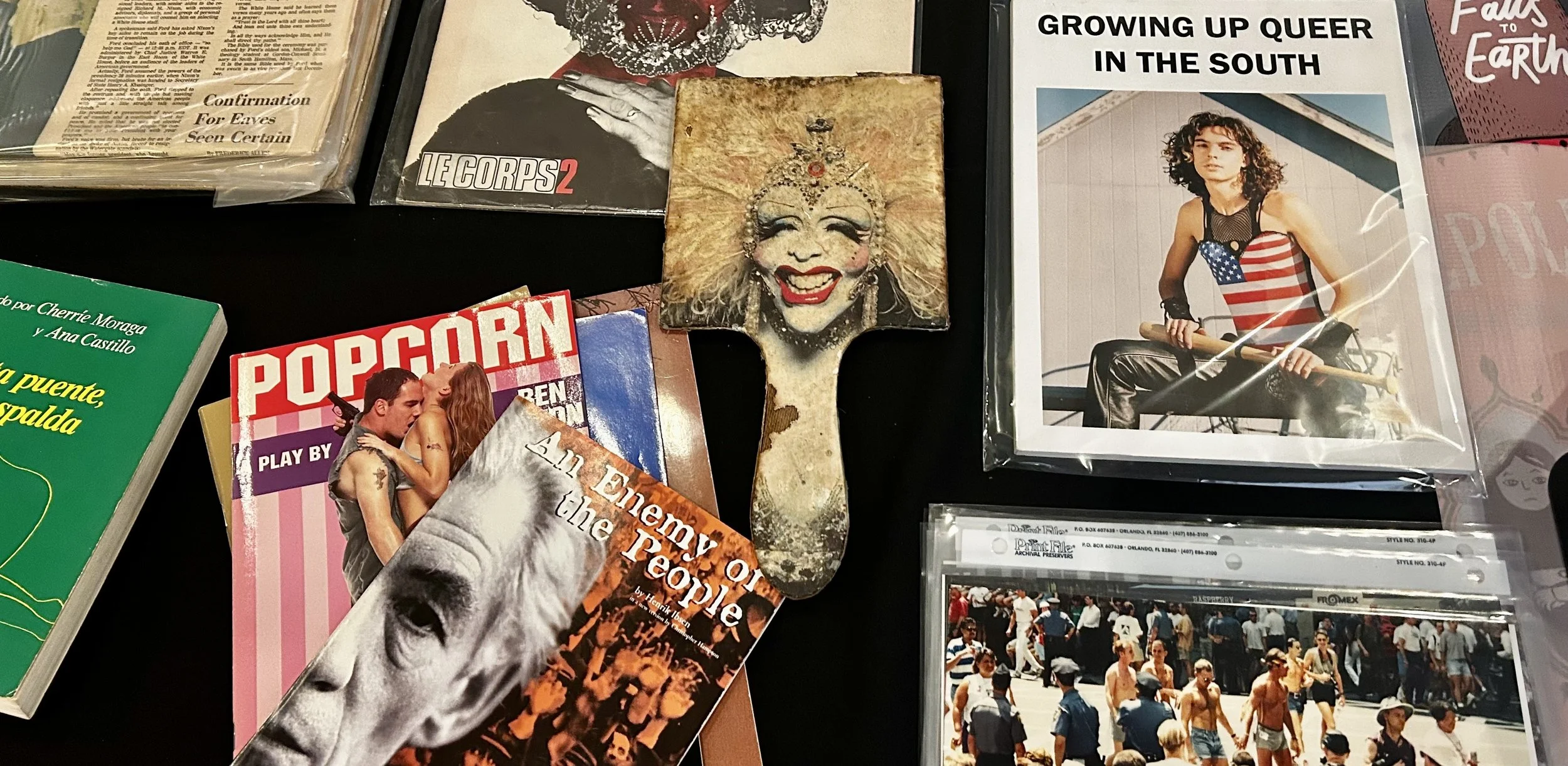
How can we look to trans and queer knowledge and politics in WGS during this moment of fugitivity? What are the ways we can hold onto would-be lost, hidden, and submerged archives of LGBTQ knowledge? Further, how do we, as Stanley calls on us, “look toward infrastructures of interdependence—aesthetic, organizational, and more—that attend to harm without reproducing its inevitability under a claim of its cessation”?
This year’s LGBTQ Caucus call welcomes critical scholarship and creative work
that responds to topics such as:
Administrative violence
Criminalized healthcare
Mutual aid as queer/trans infrastructure
Challenging neoliberal approaches to anti-trans and anti-trans legislative attacks
Queer/trans knowledge production
Resistance to state legibility
Politics of liberation that disrupt white supremacy, settler colonialism, and
racial capitalismResponses to the ongoing structures of carceral logics
The WGS South LGBTQ Caucus invites papers that address these or related topics.
Please submit any questions to WGS South LGBTQ Caucus Chair,
Dana T. Ahern at dtahern@usf.edu